.png)
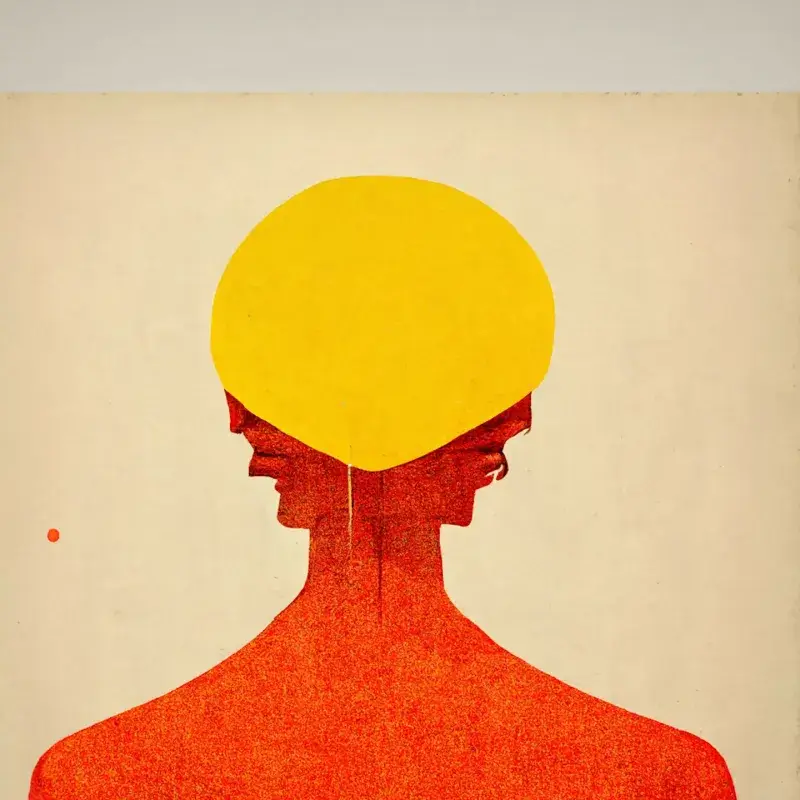
Alter Ego: The Quiet Death of Authenticity
One thing I’ve noticed as I’ve grown older is how many people are afraid to reveal who they truly are. In many ways, authenticity seems to be disappearing.
Instead of being themselves, people often choose to perform for external validation. They want to be liked, accepted, or admired, so they present a version of themselves that fits what the world expects — a version that appears perfect, respectable, or honorable from the outside.
But perfection simply doesn’t exist.
Sometimes the people who appear the most polished in public are carrying the most darkness in private. Behind the performance often hides a fragile ego, insecurities, the fear of rejection, the fear of abandonment, the fear of not being seen, or the fear of being judged.
Over time, the performance grows bigger, more elaborate, more convincing — until the person begins to lose themselves inside the role they created or the role they felt they had to play.
But reality has a way of catching up with all of us.
When the spotlight disappears and no one is watching, our true self eventually fights its way to the surface. In those moments, many people realize they built their lives around something that was never sustainable to begin with.
"Authenticity may not always be comfortable, but it is always freeing."
And being myself has taken me further in life than performance ever could.
I never felt the need to present the best possible version of myself. To always say the right things. Hide the uncomfortable parts. Minimize my mistakes. Or make myself appear stronger, wiser, or more put together than I actually was.
I chose the opposite almost every single time, no matter how much pressure I was under.
I was honest about my circumstances. Honest about my shortcomings. Honest about the things I could have done differently. Honest about what I had learned. And most importantly, honest about the kind of father I believed myself to be.
And when it comes to our children, authenticity matters even more.
Our children don’t need us to be perfect. They don’t expect us to have all the answers or to never make mistakes. What they need most is honesty — someone who is genuine, present, and true to who they are.
Just as we want our children to grow up being honest with us and with themselves, we have to model that same authenticity for them.
Because in the end, the most powerful example we can set for our children is not perfection.
It’s truth.